Essential Reading Tips to Help Kids Develop a Love for Books
Reading with children is more than just a daily routine. It’s an opportunity to ignite their imagination, deepen their understanding of the world, and foster a love for learning that lasts a lifetime. Helping kids develop a genuine affection for reading can sometimes feel challenging, especially with the distractions of screens and busy schedules. However, with intentional strategies rooted in fun, connection, and encouragement, you can turn reading into a cherished part of their lives.
Fostering a child’s love for reading involves creating positive experiences, modeling good habits, providing engaging books, and making reading a natural part of daily life. Small, consistent efforts can turn books into their favorite companions.
How to nurture a child’s love for reading through practical steps
Building a lifelong appreciation for books is a gradual process that benefits from patience, creativity, and genuine enthusiasm. Here are some effective ways to encourage your child’s reading journey.
1. Make reading a joyful, shared experience
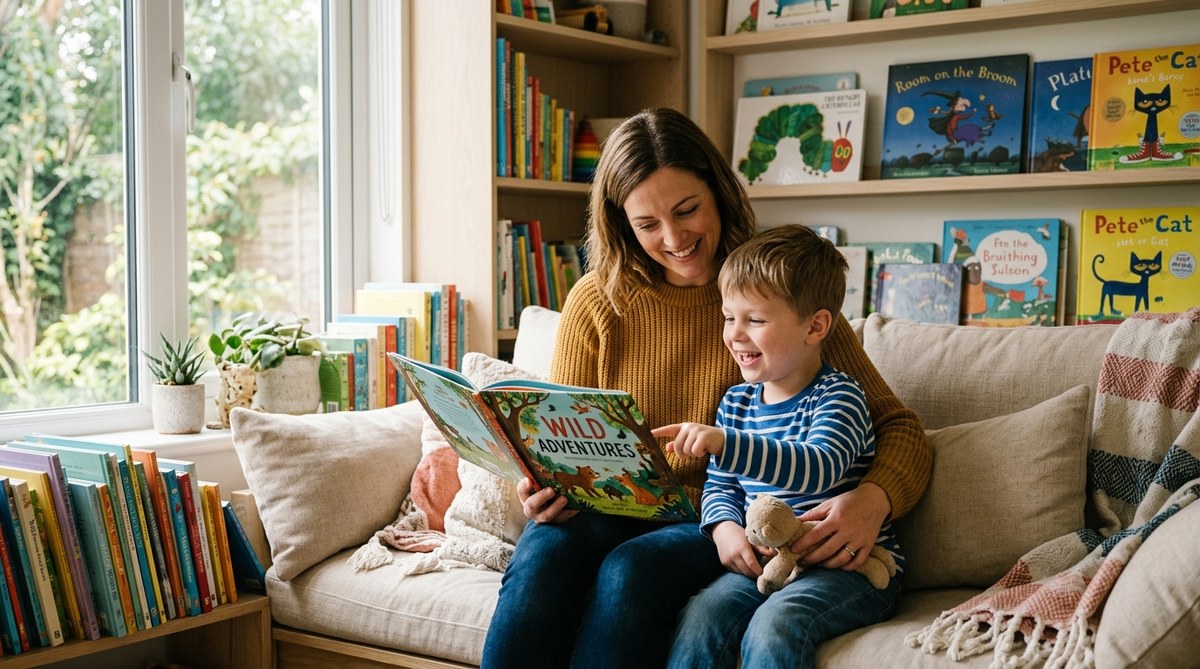
Children thrive on connection. Reading together creates a special bond and makes books feel less like a chore and more like a fun activity. To do this:
- Pick books that match your child’s interests, whether they love animals, space, fairy tales, or sports.
- Use expressive voices and gestures to bring stories to life.
- Follow your child’s cues: if they want to pause and discuss, do so. If they want to skip ahead, let them.
- Celebrate finishing a book with a small reward or praise.
2. Be a reading role model
Kids learn a lot by watching. Show your own love for books and reading by setting an example. This can be as simple as:
- Reading in your free time openly and happily.
- Talking about what you’re reading.
- Visiting the library together and selecting books side by side.
- Sharing your favorite childhood books and stories.
3. Create a rich reading environment at home
A dedicated, inviting space for reading encourages children to pick up books on their own. Tips include:
- Setting up a cozy nook with comfortable cushions and good lighting.
- Filling shelves with a variety of age-appropriate books.
- Including books that reflect your child’s cultural background and interests.
- Limiting screens and making books the go-to source for entertainment.
4. Offer a wide variety of books and reading materials
Kids are more likely to develop a love for reading if they have access to a diverse collection. Consider:
- Graphic novels, comic books, or magazines for reluctant readers.
- Audiobooks for long car rides or quiet time.
- Non-fiction books about topics they care about.
- Book series that keep them engaged across multiple titles.
5. Incorporate reading into daily routines
Make reading a natural part of everyday life. For example:
- Read a bedtime story every night.
- Have a morning reading ritual with breakfast.
- Use books to explain upcoming events like a trip to the doctor or a move to a new city.
- Encourage your child to read recipes, instructions, or signs during outings.
Common techniques and pitfalls in fostering a love for reading
| Techniques | Mistakes to Avoid |
|---|---|
| Reading aloud regularly | Forcing children to finish books they dislike |
| Modeling reading behavior | Using reading as a punishment or chore |
| Providing books aligned with interests | Ignoring children’s preferences and forcing certain genres |
| Visiting libraries often | Making books feel like a task rather than a joy |
| Celebrating reading milestones | Comparing children’s progress to others |
“The key to nurturing a love for reading is to make it feel like a natural, enjoyable part of their world, not an obligation,” says literacy expert Dr. Emily Johnson. “When children associate books with fun, curiosity, and connection, they develop habits that last a lifetime.”
Tips for overcoming common challenges
- Reluctant readers might need books that connect to their hobbies or favorite characters. Sometimes, letting them choose their own books makes a difference.
- Short attention spans can be managed by reading shorter stories and gradually increasing the length.
- Digital distractions can be balanced by setting specific times for reading and creating appealing spaces that invite books.
Turning reading into a lifelong passion
Fostering a love for reading is about creating positive, memorable experiences around books. When children feel that reading is a source of joy, comfort, and adventure, they are more likely to seek out books on their own. Remember, patience and consistency are essential. Celebrate small victories and show genuine interest in their reading journey.
Encourage your kids to see books as friends and tools for discovery. Whether it’s through shared storytime, visiting the library, or simply creating a cozy reading corner, your efforts will plant seeds of curiosity that grow into a lifelong love of books.
Cultivating reading joy that grows with your child
Every child is unique, and so is their path to loving reading. By blending fun activities, modeling good habits, providing diverse and engaging books, and respecting their interests and pace, you lay the groundwork for a meaningful relationship with books. Remember, the goal isn’t just to get your child to read but to help them find joy in the process.
Try to make reading a shared adventure rather than a task. When children associate books with positive feelings and personal relevance, they develop a natural, enduring love for reading that supports their growth and curiosity throughout their lives.