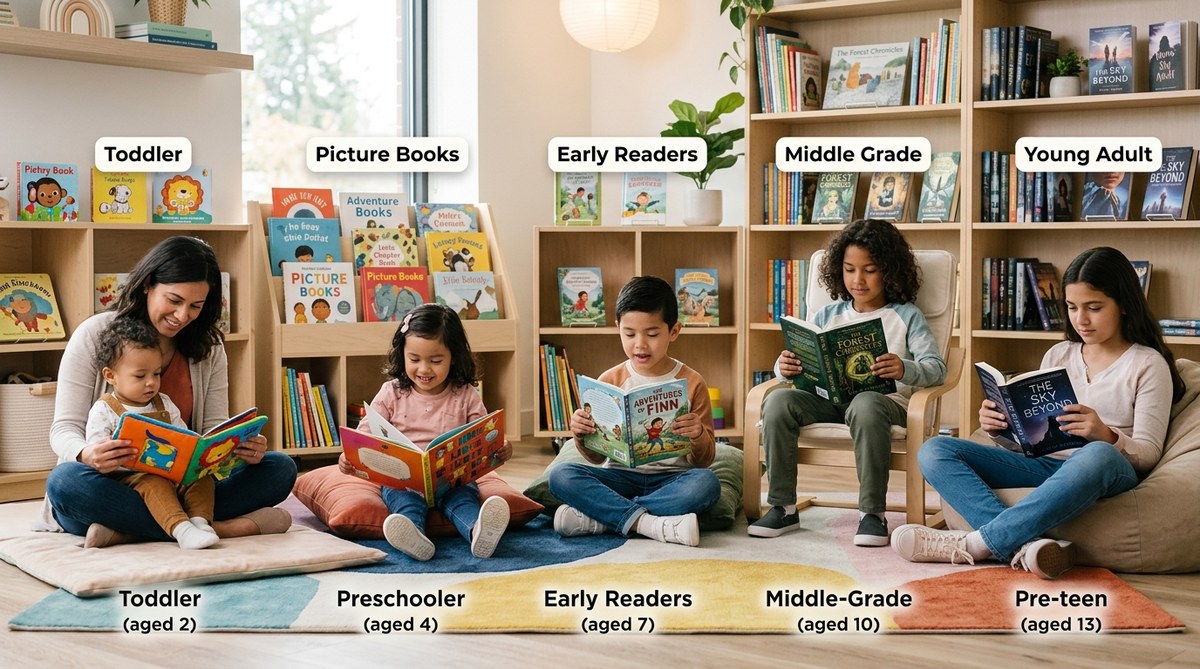
How to Choose Age-Appropriate Kids Books for Every Reading Stage
Choosing the right books for children can feel overwhelming. With so many options out there, it’s natural to wonder if you’re picking stories that truly match your child’s age and interests. Finding books that challenge, entertain, and nurture their development is key to fostering a lifelong love of reading. When you understand how to choose age-appropriate kids books, you set the foundation for meaningful reading experiences that grow with your child.
Selecting books that match your child’s age and reading level helps build confidence, supports development, and makes reading enjoyable. Use age guidelines, observe their interests, and consider the content to make the best choices at every stage of their growth.
Understanding Your Child’s Reading Stage
Before choosing books, it’s important to know what reading stage your child is in. Children develop literacy skills at different paces, and selecting books that suit their current abilities encourages continued progress.
Recognizing developmental milestones
Children’s reading abilities typically align with their age, but these can vary. For example, infants and toddlers are generally beginning with tactile and visual stimulation, while preschoolers start recognizing simple words. Early elementary students often transition into chapter books, and older kids enjoy more complex stories.
How to assess your child’s reading level
- Observe what types of books they naturally gravitate toward.
- Notice how comfortably they read aloud or silently.
- Ask teachers or librarians for guidance based on their assessments.
- Use reading level tools or age guidelines provided on children’s books.
Why Choosing Age-Appropriate Books Matters
Selecting books suited to your child’s age offers more than just entertainment. It plays a crucial role in their cognitive and emotional growth.
Benefits of age-appropriate books
- Cognitive and emotional development: Age-appropriate stories match children’s understanding, helping them process emotions and ideas better.
- Building vocabulary and language skills: Books tailored to their level introduce new words gradually, boosting their language growth.
- Encouraging a love of reading: When books are neither too simple nor too complex, children feel confident and eager to read more.
“Choosing the right books for each stage can turn reading from a chore into a cherished activity,” says literacy expert Dr. Lisa Moore. “It’s about matching challenge with curiosity.”
Selecting Books for Infants and Toddlers
For the youngest readers, books focus on sensory engagement and basic concepts.
Types of books for babies and toddlers
- Board books: Durable and easy to handle, perfect for tiny hands.
- Interactive and lift-the-flap books: Encourage participation and curiosity.
- Textured books: Stimulate tactile senses and sensory exploration.
Tips for choosing the right books
- Look for simple, colorful illustrations.
- Choose books with rhythmic or repetitive text.
- Avoid books with small parts that could be a choking hazard.
Top Picks for Preschoolers
Preschool children are expanding their vocabulary and understanding of stories. They love books that combine fun with learning.
Features to look for
- Bright and engaging illustrations.
- Stories that incorporate humor or everyday experiences.
- Books that introduce basic concepts like numbers, shapes, or social skills.
Popular choices
- Classic favorites such as “Where’s Spot?” or “The Very Hungry Caterpillar.”
- Series that encourage participation, like “Pete the Cat” or “Pinkalicious.”
Choosing Books for Early Readers
As children become confident readers, they’re ready for books with slightly longer texts and more complex themes.
What to consider
- Books with simple sentences but richer vocabulary.
- Stories that reflect their interests and experiences.
- Early chapter books that blend illustrations with text.
Recommended series
- “Magic Tree House” for adventure.
- “Junie B. Jones” for humor.
- “I Can Read” books for independent reading practice.
How to Find Age-Appropriate Books for Different Interests
Children are curious about many topics. Supporting their interests with suitable books encourages a love of learning.
Tips for selecting books based on interests
- Observe what topics excite your child, like animals, space, or sports.
- Choose books that introduce new ideas at an accessible level.
- Use reading guides or book lists tailored to specific age groups and topics.
Common pitfalls to avoid
| Techniques | Mistakes to Avoid |
|---|---|
| Follow age guidelines | Picking books too advanced or too simple |
| Observe their interests | Choosing books that don’t engage them |
| Read reviews | Selecting books with inappropriate content |
| Consult librarians | Relying solely on bestseller lists |
The Art of Matching Content to Age
Understanding what content is suitable for each age helps prevent frustration or confusion.
Techniques for choosing appropriate content
- Check the recommended age range on the book cover.
- Read the synopsis and sample pages to assess complexity.
- Consider the themes and language to ensure they align with your child’s maturity.
Common mistakes to avoid
- Overestimating abilities and choosing books that are too challenging.
- Underestimating interests by picking overly simple stories.
- Ignoring content warnings that may not be suitable for certain ages.
Expert Advice on Selecting Kids Books
“Always consider your child’s current interests and developmental stage when choosing books,” advises child literacy specialist Emily Johnson. “A good rule of thumb is to select stories that challenge them just enough to grow their skills while still being fun.”
Final Tips for a Successful Book Selection
- Involve your child in choosing books. Their enthusiasm makes reading more enjoyable.
- Visit your local library regularly. Librarians can recommend age-appropriate titles.
- Mix different types of books. Include picture books, early readers, and chapter books.
- Pay attention to your child’s reactions. If a book frustrates or bores them, try something different.
- Be patient. Building a personal library takes time and experimentation.
Making Reading a Joyful Part of Everyday Life
Choosing the right books is just the start. Creating a cozy reading environment, setting aside dedicated time, and sharing stories together make reading a treasured habit. Remember, every child develops at their own pace. Trust your instincts and keep exploring books that fit their evolving interests and abilities.
Encouraging your child to enjoy books at every stage sets them up for a lifetime of learning and discovery. With a thoughtful approach to selecting age-appropriate kids books, you help nurture confident, curious readers who see reading as a source of joy and growth.